Editorial Standards
The principles, authoring process, testing protocols and quality controls behind every guide, tutorial and review we publish.
The standard behind every word we publish.
This document sets out the editorial standards, authoring workflow, testing methods and quality checks that govern every piece of content published under the SysTools brand. It applies to everyone who contributes to our content, from in house writers and editors to freelance contributors and the technical experts who review their work. No exceptions.
SysTools has built data care software since 2007. Our content carries the same responsibility as our products. People reach our guides in the middle of a real problem, a corrupt PST file, a failed migration, a drive that will not mount, and they need information they can trust the first time.
Mission & Audience
Our Mission
SysTools editorial content exists to be the clearest, most technically accurate and genuinely useful resource for anyone dealing with email migration, data backup, file conversion, digital forensics or data recovery. We write for everyone from a home user trying to open an old MBOX file to an administrator migrating thousands of mailboxes to Office 365.
We get there by pairing hands on testing in real environments with plain writing that lets readers solve the problem themselves. We would rather a reader fix the issue from our guide than need to contact anyone at all.
Who We Write For
Our readers are mixed. A guide has to stay simple enough for someone who has never opened a registry editor while still being precise enough for a seasoned administrator. Knowing the audience is the first step in writing well for it.
Our Authors & Team
Author Standards
Every article on SysTools is written by people who combine real technical knowledge of the subject with the ability to explain it without jargon. Our team includes engineers who work on the products, IT practitioners with hands on migration and recovery experience, and writers who work side by side with those experts.
Nothing is published on the strength of one person alone. Every article clears at least two independent checks before it goes live, one for writing quality and one for technical accuracy. The reviewer is never the same person who wrote the piece.
We do not publish guesses dressed up as expertise. Every claim is either tested in our own environment, checked against official documentation or confirmed by someone who works on the product. Our readers usually arrive mid problem and often stressed. They deserve to be right the first time.
SysTools Editorial TeamReviewed and Approved By
Every technical claim, test result and finding we publish, across email migration, backup, file conversion, recovery and forensics, is reviewed and signed off by our senior technical authority before it goes live. This is the final accuracy gate on our content.

CEO and Co-Founder, SysTools · Cyber Forensics Expert and Technology Evangelist
Anuraag Singh founded SysTools in 2007 and has since guided the architecture of more than 280 products across the company's full portfolio: email migration and conversion, data backup, file recovery and repair, cloud migration, and digital forensics. His deep grasp of mail store formats like PST, OST, MBOX, EDB and OLM, of database and file structures, and of how data is lost and recovered, underpins the technical direction of every SysTools tool. He is the creator of MailXaminer, the certified email forensics solution used by law enforcement worldwide. With 25 years in the field and a master's in computer science from the University of Pune, he personally reviews the technical accuracy of our test results and findings before publication and has trained agencies including the CBI, Enforcement Directorate, Delhi Police and Army Intelligence.
Meet the Editorial Team
The people who shape, review and sign off on what we publish. Each brings hands on experience from the product, engineering and forensics side of SysTools.

Nimisha Ramesh
Chief Value OfficerDelhi Office

Tej Pratap Shukla
Sr. Product ManagerDelhi Office

Neeraj Kumar
Sr. Technology OfficerDelhi Office

Viral Patel
GM, DFIR OperationsNorth Zone
Content Creation Process
Content Formats
Our library covers six content types. Each one has its own production rules and its own review path. Writers learn the expectations for every format before they produce it.
How to guides
Step by step instructions verified on real machines, with original screenshots taken in our own test setups.
Software walkthroughs
Hands on coverage of how a tool actually behaves across different file types, sizes and scenarios.
Comparisons
Side by side analysis of tools or methods run against the same sample data so the result is fair.
Explainers
Deeper articles on file formats, mail stores, storage technology and how data loss actually happens.
Fix it guides
Focused troubleshooting for a single error or symptom, structured so a reader can scan it fast.
Roundups
Curated best of lists built from independent testing and a consistent scoring method, not from sponsorship.
Core Writing Principles
These principles are not suggestions. They are the standard every article is measured against during review.
Accuracy first. Every technical claim must be provable through testing, official documentation or confirmed expert knowledge. Unverified statements are not published.
Real usefulness. Content has to give concrete steps a reader can follow without hunting for a second source.
Plain language. Jargon is explained in simple terms. Acronyms are spelled out the first time they appear, every time.
Original screenshots. Images come from our own test environments on real hardware or virtual machines, and they are refreshed when an interface changes.
Honest about risk. We flag clearly when a step can overwrite data, carries risk or needs a professional rather than a do it yourself approach.
No hidden conflicts. A recommendation is never shaped by a commercial relationship. Any connection is disclosed openly.
Our Position on AI Generated Content
All editorial content is written by human experts. AI tools may help with background tasks such as gathering research or outlining structure, but the substance of every article, the technical claims, the test results and the recommendations, is produced and verified by people. This policy is absolute and applies to every contributor.
Testing & Review Process
Inside the SysTools Research Lab
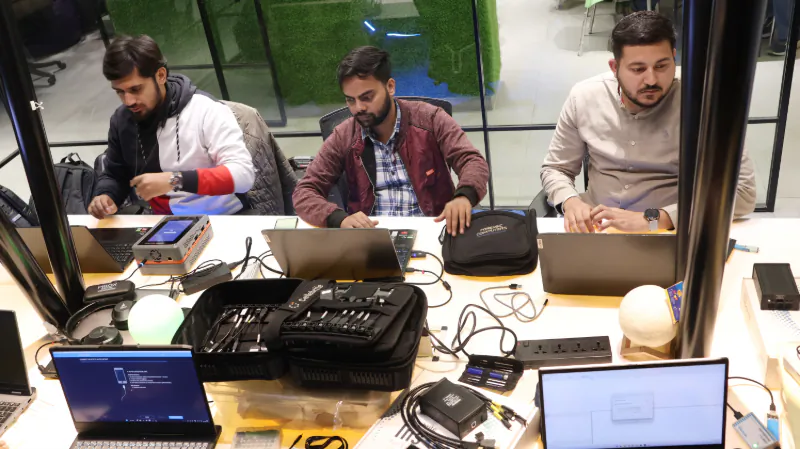
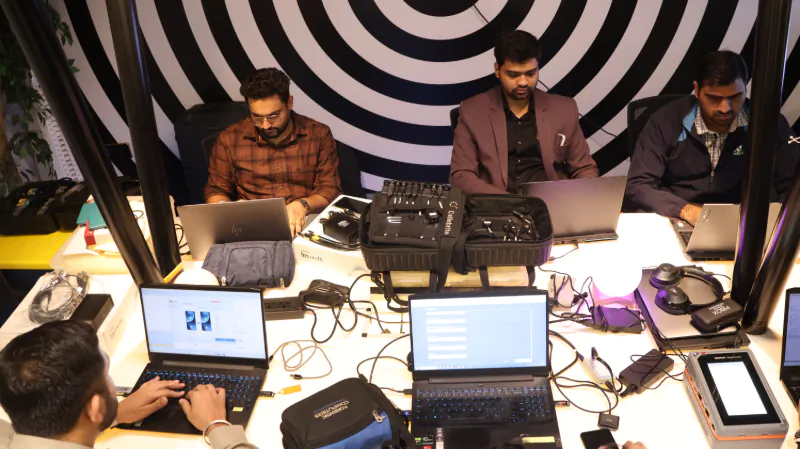
Our guidance is not written from a desk. Behind every how to, comparison and fix it guide sits a dedicated research lab where our engineers build the exact failure scenarios our readers face, then test, break and validate each method on real hardware and live data before a word is published.
Where every claim is proven before it is published
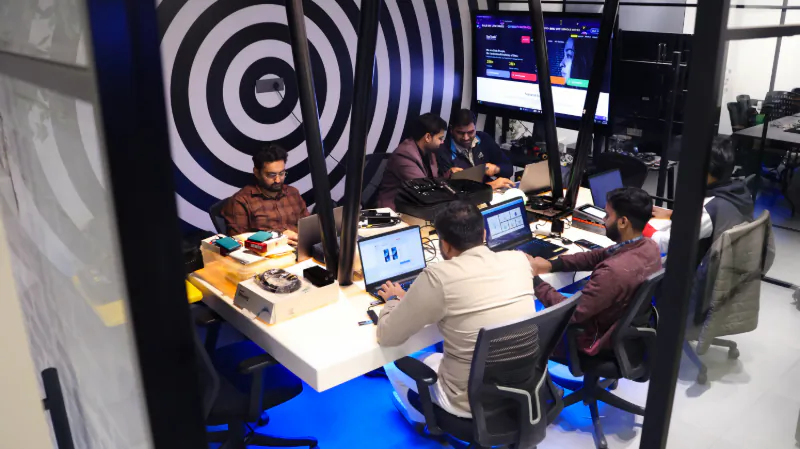
Dedicated forensic and recovery workstations
Isolated machines configured to reproduce corruption, deletion and migration failures across Windows and server environments.
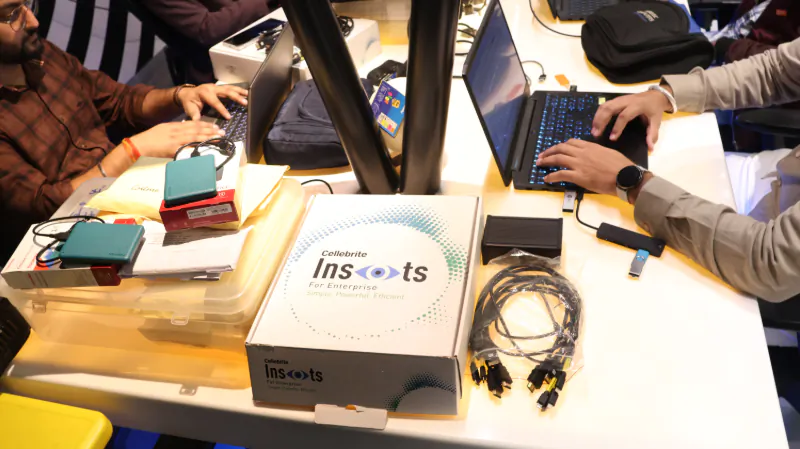
Controlled sample data sets
Deliberately deleted, corrupted and oversized PST, OST, MBOX, EDB and OLM files used to measure real recovery and conversion rates.
Exchange and server simulation rack
Live Exchange, Office 365 and database setups for validating bulk migration and server side recovery at scale.
Storage media and device array
HDDs, SSDs, NAS, RAID and removable media used to verify recovery behaviour across every storage type our readers use.

Forensic analysis and verification
Findings cross checked against official documentation and hashed for integrity before any result reaches a published guide.
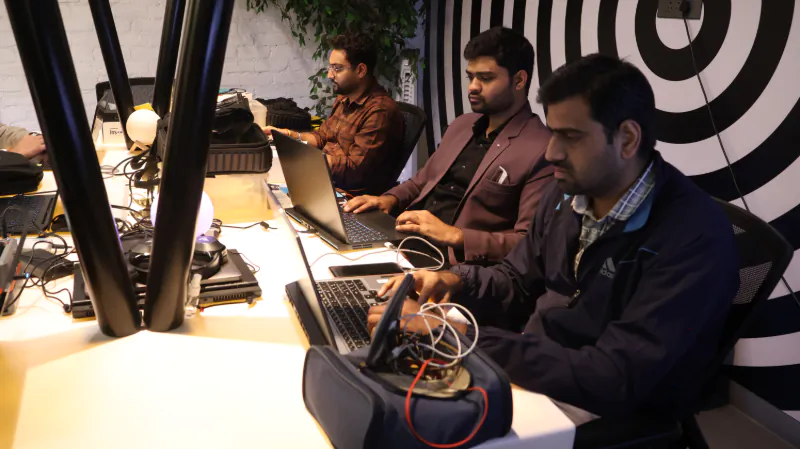
Capture and documentation station
Original screenshots and step by step results recorded here, so what you read matches exactly what we saw on screen.
How We Evaluate Software
When an article recommends a tool, that tool is judged against a fixed set of criteria. Scores are not adjusted for commercial reasons. The same yardstick applies across every walkthrough and roundup.
Does it work
Measured success rate against our own sample sets of deleted, corrupt or convertible files across common formats.
Ease of use
How clear the interface is and whether a non technical user can finish the task without help.
Format and platform support
The range of file types, mail stores and operating systems the tool handles.
Data safety
Whether the tool works in a read only or non destructive way and never quietly writes over source data.
Value
Cost against capability, and whether a free or demo version lets a user judge it before paying.
Support and updates
Quality of documentation, availability of help and how often the tool is updated for new OS and format versions.
Article Review Pipeline
Every article moves through a set sequence of checks before publication. No stage is skipped or handed to the wrong reviewer. This pipeline is the backbone of our quality control.
Author self review
Full self check against the writing guidelines before the draft is submitted.
Editorial check
Confirms the brief is met, the structure is logical and every required section is present.
Technical review
Verifies every method works as written and that no step risks overwriting data.
Senior edit
Assesses clarity, flow, completeness and brand voice. Returns written feedback.
Final publish check
Validates formatting, links, image quality, metadata and on page styling before going live.
Accuracy & Corrections
Content Review Schedule
We re check published content on a rolling schedule set by how fast each topic changes. The intervals below are the minimum. Content may be reviewed sooner when a product or operating system changes.
Corrections Policy
When we find a mistake, or a reader reports one, we open a tracked task and fix critical technical errors within 48 hours. Corrections are documented openly with an update note in the article that records the date of the change.
Readers can report an inaccuracy through our contact page with the subject line Correction Request. A senior editor reviews every report and replies within two business days.
A visible correction is not an embarrassment. It is proof that we are still paying attention. We would much rather publish a dated update than leave a reader following a step that no longer matches their version of a tool or operating system.
SysTools Editorial TeamBrand Voice & Standards
Tone & Style
We write like a knowledgeable colleague who respects the reader and never assumes they already know the subject. The tone stays calm and steady, which matters because our readers are often worried about losing something they cannot replace. We are direct, honest about limits and always reader first.
Inclusive & Accurate Language
We write for a global audience and aim for language that is inclusive, neutral and free of bias. We avoid slang that does not travel across cultures and we replace dated technical terms with current neutral ones as standards move on. International English is our baseline, with regional differences labelled clearly where things like keyboard shortcuts or file paths differ.
Originality & Plagiarism
Our writers produce content rooted in original testing and genuine expertise. The standards below apply to every published article.
Original work. Recommendations come from first hand testing or confirmed expert knowledge, never from reworded secondary sources.
Proper credit. Any external statistic, study or quote is cited with a clear link to the original.
Plagiarism checks. Every article is scanned before publication, with extra scrutiny while a new contributor is on probation.
No paid placement. Editorial rankings are never shaped by sponsorship, affiliate links or advertising. They reflect test results only.
A Final Word
This document is the complete and binding editorial standard for all content produced under the SysTools brand. It replaces any earlier style guide or contributor brief. Where older guidance conflicts with this version, this version wins.
These standards are a living document. As platforms change, new formats appear and best practice shifts, the standards will be updated to match. Every contributor is responsible for working to the current version.
Questions about how to apply any section should go to the editorial team, and suggested changes can be sent through our standard feedback channel for review.
Our Commitment
We measure good content by one test. Did it help the reader fix their problem, safely and correctly, without sending them anywhere else. Everything in this document exists to keep meeting that test.